COULD YOU SPARE £1 TO HELP TREVOR? CLICK HERE TO DONATE

Keep Cats Safe (Especially Outdoors)
Tips on what to consider when having an outdoor cat. If you want cats to have some outdoor freedom but want to be able to manage this, consider a catio or enclosed gardens.
3 min read
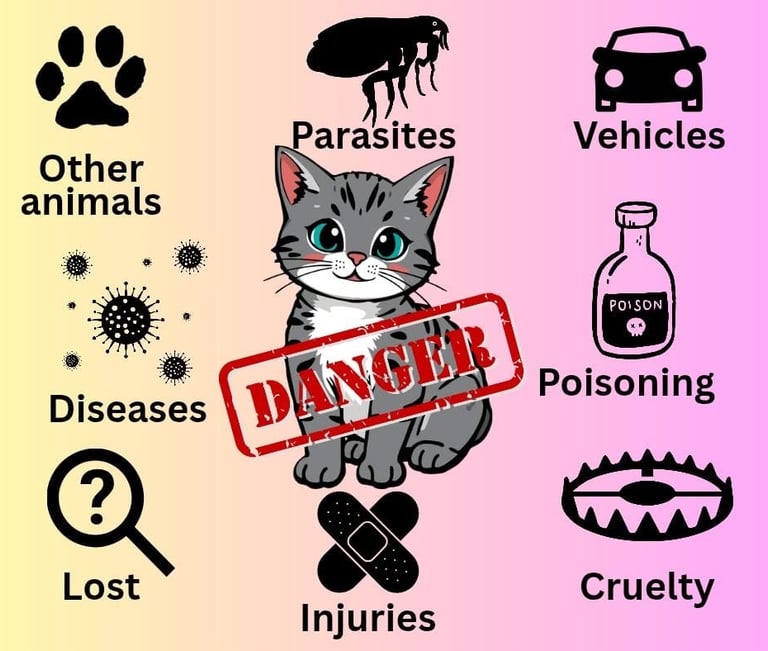
If you have a cat (and especially if it is an outdoor cat), please consider the following points:
Microchips - a necessity for all cats! It has been law since 2024! This massively increases the chance of lost cats being reunited with their family. They only work if the details are kept up to date. Keep your cats microchip details somewhere you can access easily. If your cat goes missing, notify the microchip company immediately.
Neutering - This helps to stop the strain on female and male cats and on charities/rescues by preventing up to 30 kittens being born a year by a single female cat. For females - it reduces the risk of womb infections, tumours and cancer (mammory, uterine and ovarian) and can have health benefits. It stops those "in-heat" behaviours and eliminates the risks of pregnancy/ birthing complications. For males - it helps prevent hundreds of kittens being sired every year. It reduces the risk of them wandering for miles and miles to mate (this can lead to cats getting knocked over by cars etc) and reduces the risk of fighting and contracting serious diseases such as FeLV and FIV (more on these below). It can also eliminate the risk of testicular cancer.
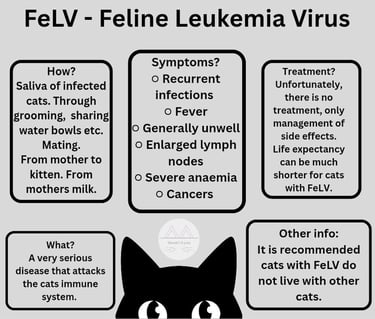
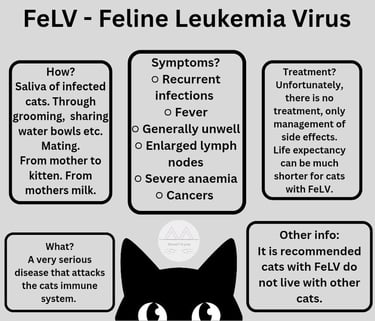
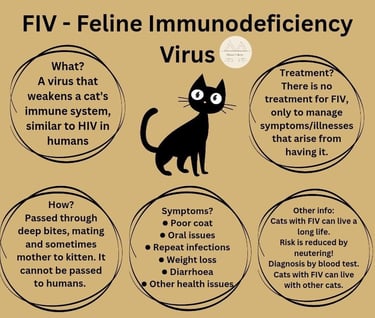
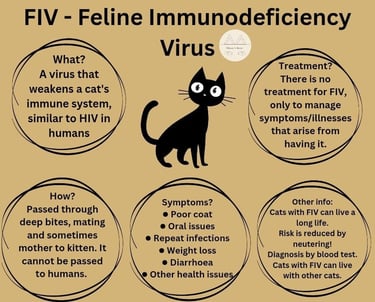
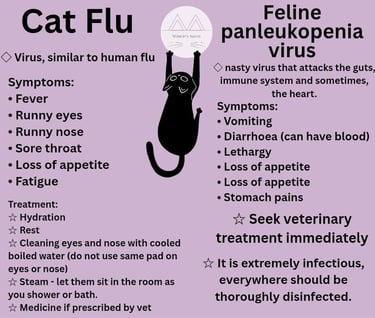
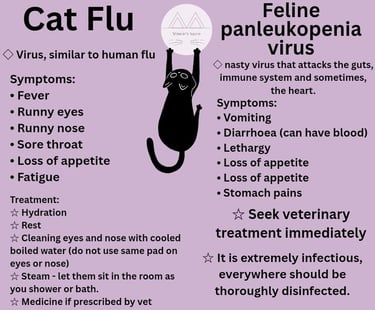
Sadly, there are a lot of diseases cats can catch. Below are just a few examples to be mindful of.
Please note: Lists are not exhaustive, and research should be undertaken.
Parasites - Please do your research and make sure cats are adequately protected against fleas, worms, ticks etc. Regular treatment for parasites such as fleas, worms, ticks etc is especially important for cats that venture outdoors. Seek veterinary advice if required.
Injuries - Outdoor cats face many risks - from injuries, vehicles, other animals, and even cruelty. Sadly, we can't always prevent these dangers, but we can be prepared to help if something happens.
Be aware of basic first aid for your cats. Vet advice should be sought.
Serious injuries: bites, punctures, deep or large wounds, excessive bleeding, or signs of infection - go to the vet immediately!
Minor wounds: clean gently with saline solution, apply pressure to stop bleeding.
Keep your cat calm! - If you're taking them to the vet, place them in a secure box or carrier and cover with a blanket to help them feel safe.
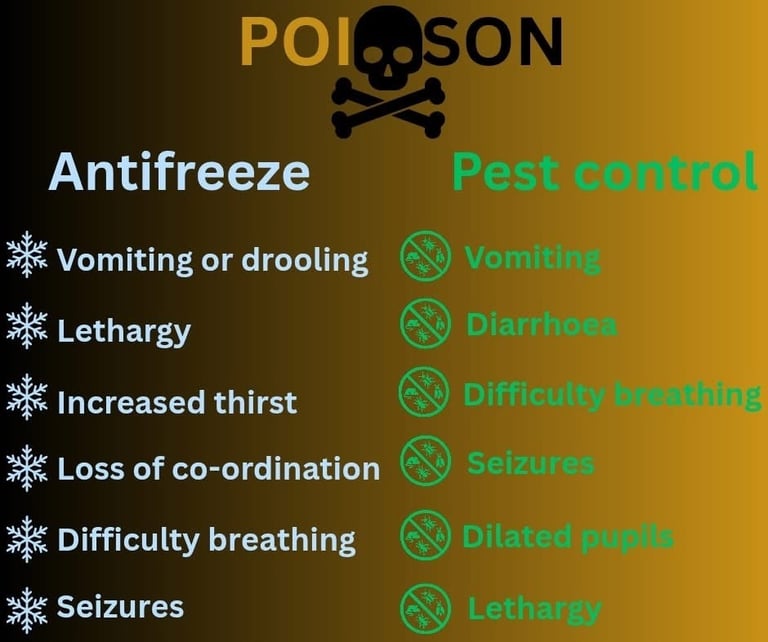
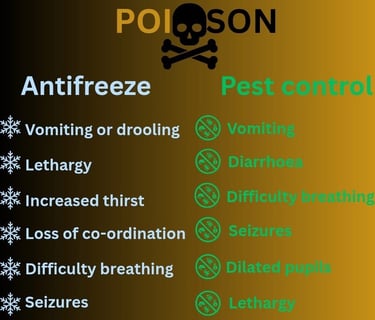
Poisoning - It is a risk to outdoor cats, and unfortunately, there isn't much that can be done to prevent it. Be prepared by being aware of symptoms and veterinary advice should be sought immediately if you are concerned your cat has been poisoned. Symptoms are shown further down in article.
Other Animals, Vehicles, Cruelty - Be aware of symptoms and seek medical advice.
Diseases - Neutering, vaccinations and being aware of symptoms. Do your own research and discuss with vets.
Collars - We don't like them... There!.. We said it!
We've had to cut collars off cats with them caught around their necks and legs. We've seen horrific neck injuries from them. We just don't like them and as all cats should be microchipped now due to change in law, we don't feel they are necessary.
Cat Trackers - We have mixed feelings about these. They are fantastic for tracking your pets and being able to see where they are. This will help reduce the risk of cats going missing. However, our main concern is the collar. It is important to check that the cat cannot get caught in it. Will it easily come off if they get trapped on a branch or fence? We have seen some horrific injuries from collars.
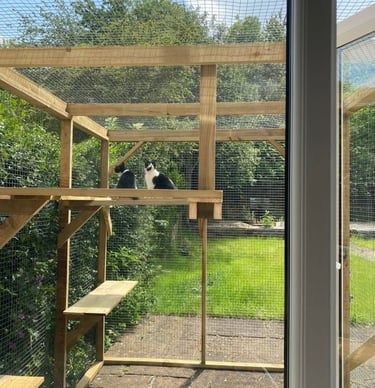
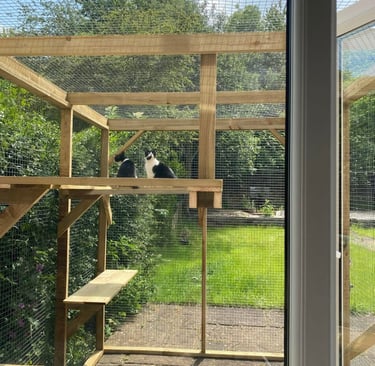
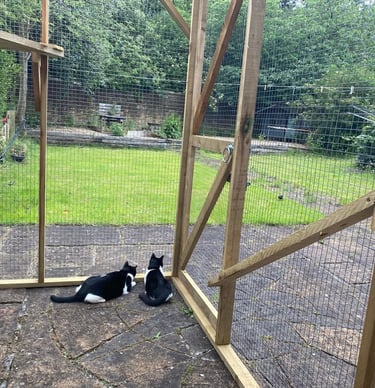
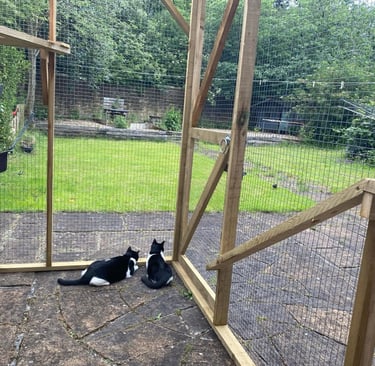
Catio or Enclosed Gardens - If you would like your cats to have some outdoor freedom but want to be able to manage this, and keep them safe - consider a catio or enclosing your garden. Images below.
Poisoning Symptoms
Please note: Lists are not exhaustive, and research should be undertaken.
What is a Catio?
Contact us
minnieshaven@gmail.com
07824567314
Minnie's Haven Cat Rescue
Registered charity: 1207158
© 2026 Minnie's Haven Cat Rescue
Just a small donation can help Minnie's Haven make a significant impact on the life of a neglected or mistreated cat. All donations are greatly appreciated!
Donate