COULD YOU SPARE £1 TO HELP TREVOR? CLICK HERE TO DONATE

Please donate to our CALICI FUNDRAISER
1/4/20262 min read
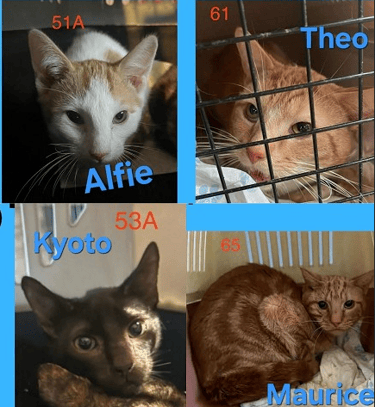
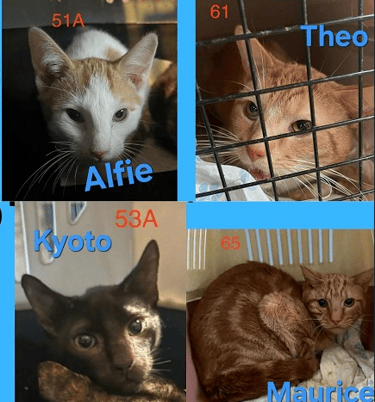
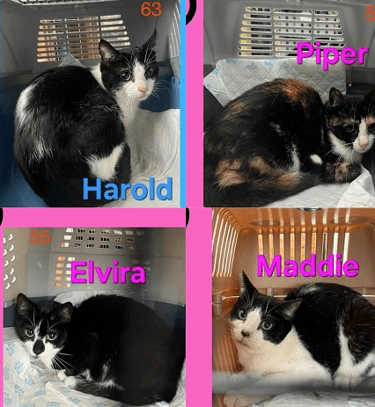
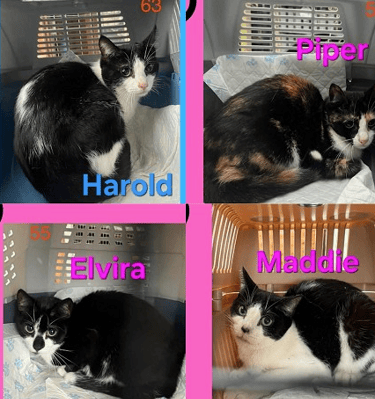
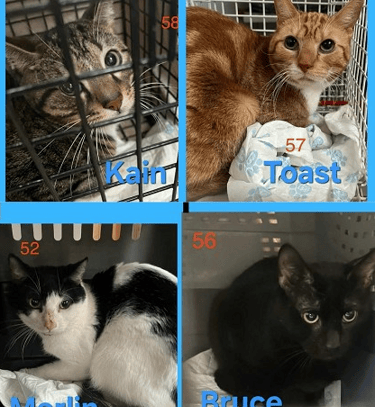
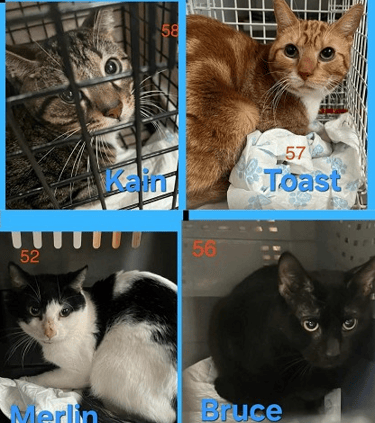
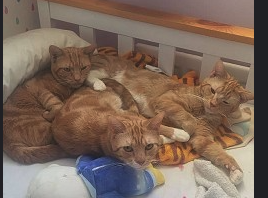
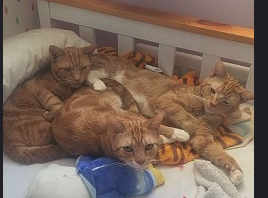
On the 26th November 2025, we took in 16 cats from one household.
The condition of the cats concerned us, and as always, we got our vets to check them over.
Concerned about how poor condition they looked in and the state of their mouths given their age, the vet wanted to test some for a condition called Calici.
Feline CaliciVirus (FCV) - The virus spreads through direct contact with the saliva, nasal mucus and eye discharge of infected cats and through aerosol droplets that spread when cats sneeze. Lab tests have also detected the virus in urine, faeces and blood. Cats typically shed the virus for about two or three weeks after infection, but some cats become long-term carriers, and continue to shed the virus on and off for months.
The virus likes to attack the lining of the back teeth and this is why cats with active calici will likely have terrible teeth.
At first, the cat will have symptoms that look like a cold, with sneezing, nasal congestion, fever, and sometimes drooling. Large amounts of discharge can come from the eyes and nose. In more severe cases, cats can also develop inflammation and ulcers on the tongue, and the lining of the mouth. Lethargy, mild lameness and lack of appetite may also occur.
FCV can not be cured, only symptoms managed. For this reason, cats who have calici should not go outside or be rehomed with cats that have not tested positive for calici. It is extremely contagious!
As with the 16 cats we have taken, their diet and management has been poor. Quite a few have needed antibiotics and other medication and will need dentals. Since they came to us, they have been put on a good quality diet, and some are doing better.
We will get an up to date amount spent so far and share.
We have set up this fundraiser to help with the costs for these 16 cats. They did not ask for this, this condition has caused them pain and suffering. We will continue to do our best for them and then look for forever homes once they are well enough.
Contact us
minnieshaven@gmail.com
07824567314
Minnie's Haven Cat Rescue
Registered charity: 1207158
© 2026 Minnie's Haven Cat Rescue
Just a small donation can help Minnie's Haven make a significant impact on the life of a neglected or mistreated cat. All donations are greatly appreciated!
Donate